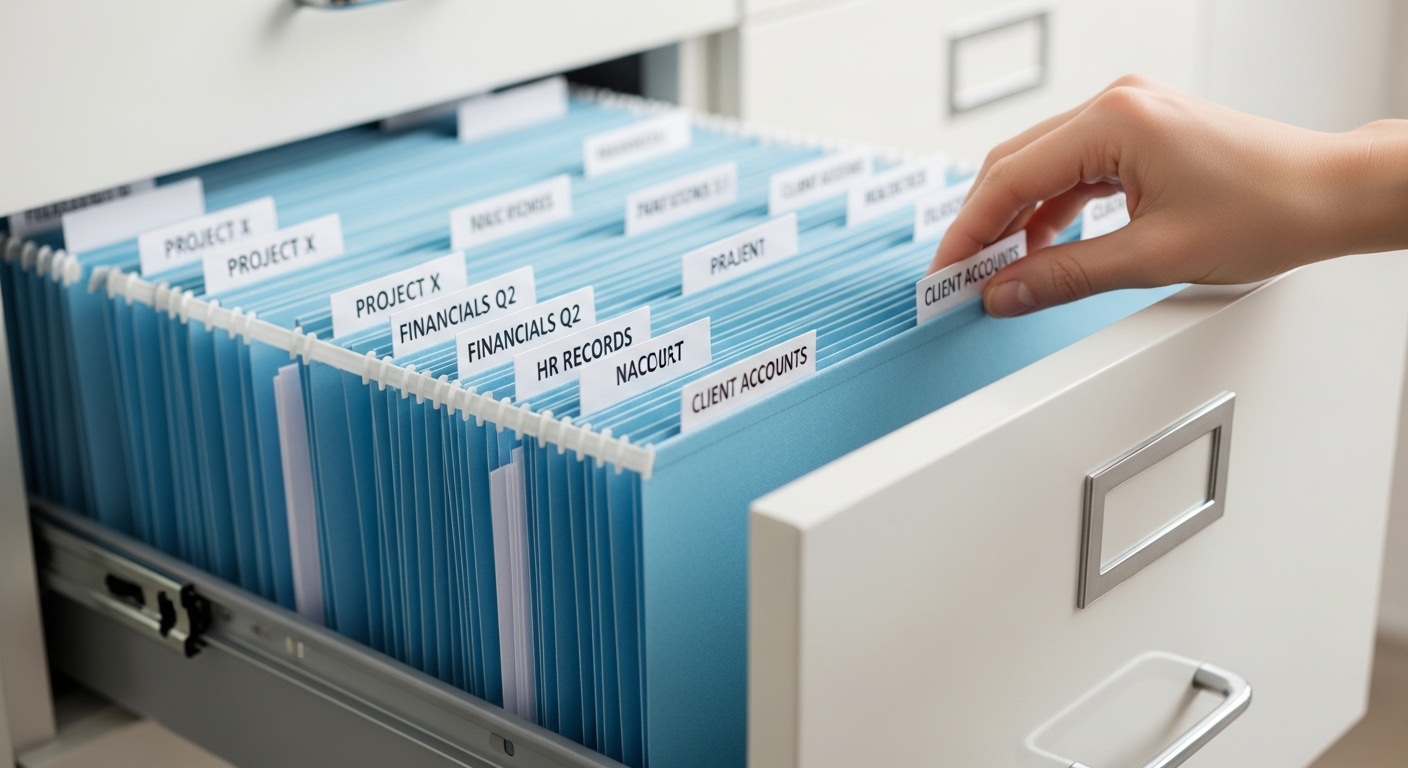
Client Portal for Consultants: What Actually Matters
Client Portal for Consultants: What Actually Matters
Not all client portals are built for consulting workflows. Many are designed for large enterprises with dedicated IT teams, complex approval processes, and extensive customization needs. But consultants operate differently — and your portal should reflect that reality.
What Actually Matters
When you're managing multiple client projects simultaneously, you need a portal that prioritizes simplicity over sophistication. Easy client access means clients can find what they need without calling you for help. Clear document structure means everything has a logical place, making it obvious where deliverables live and where feedback belongs. Most importantly, feedback without friction means clients can provide input without navigating complex systems or learning new tools.
These aren't nice-to-haves — they're essential for maintaining momentum. When clients can't easily access documents or provide feedback, projects stall. When you're constantly explaining how to use the portal, you're not delivering value.
What You Can Safely Ignore
Many portals promise features that sound impressive but don't actually help consultants. Deep task hierarchies might work for large project teams, but consultants typically need straightforward organization, not complex nesting. Over-customization options might seem powerful, but they often lead to decision paralysis and maintenance overhead. Enterprise-grade controls might provide granular permissions, but if you're not managing compliance-heavy environments, that complexity becomes unnecessary burden.
The truth is, consultants don't need enterprise features. They need clarity, speed, and simplicity.
The Invisible Portal
The best client portals for consultants feel invisible. They support your work without getting in the way. Clients use them naturally because the interface makes sense immediately. You spend your time delivering results, not managing the tool.
This invisibility isn't accidental — it's intentional design. When a portal requires minimal explanation, clients adopt it quickly. When it organizes information clearly, you spend less time searching and more time creating. When it enables feedback smoothly, collaboration flows naturally.
The Complexity Test
Here's a simple test: If clients need training to use your portal, it's too complex. If you spend more time configuring the portal than using it, it's too complex. If the portal becomes a topic of conversation instead of fading into the background, it's too complex.
The right portal for consultants understands that your value comes from your expertise, not your ability to navigate software. It provides structure without ceremony, organization without overhead, and collaboration without complexity.